MotoGP Announces Major Rule Changes: Holeshot Devices Banned, Grid Layout Revised and Manufacturer Entry Limits Introduced
June 22, 2026: MotoGP has confirmed a series of significant regulatory changes that will reshape the premier class over the coming seasons, with the Grand Prix Commission approving new rules concerning holeshot devices, starting grid configurations and manufacturer participation limits.
The decisions, aimed at enhancing safety, competitiveness and long-term sustainability, will be introduced in phases between 2026 and 2028.
MotoGP to Ban Holeshot Devices from Dutch Grand Prix 2026
In one of the most impactful technical rule changes in recent years, the Grand Prix Commission has confirmed that holeshot devices will be removed from the MotoGP class starting from the 2026 Dutch Grand Prix at Assen.
Holeshot devices, which lower a motorcycle’s ride height during race starts to improve acceleration and reduce wheelies, have become a crucial performance tool in modern MotoGP. However, concerns over escalating technological complexity and development costs have prompted officials to phase out the systems.
The ban is expected to place greater emphasis on rider skill, race starts and motorcycle setup, potentially reshaping race strategies across the grid.
Revised MotoGP Grid Layout to Improve Safety
Another key change focuses on rider safety during race starts.
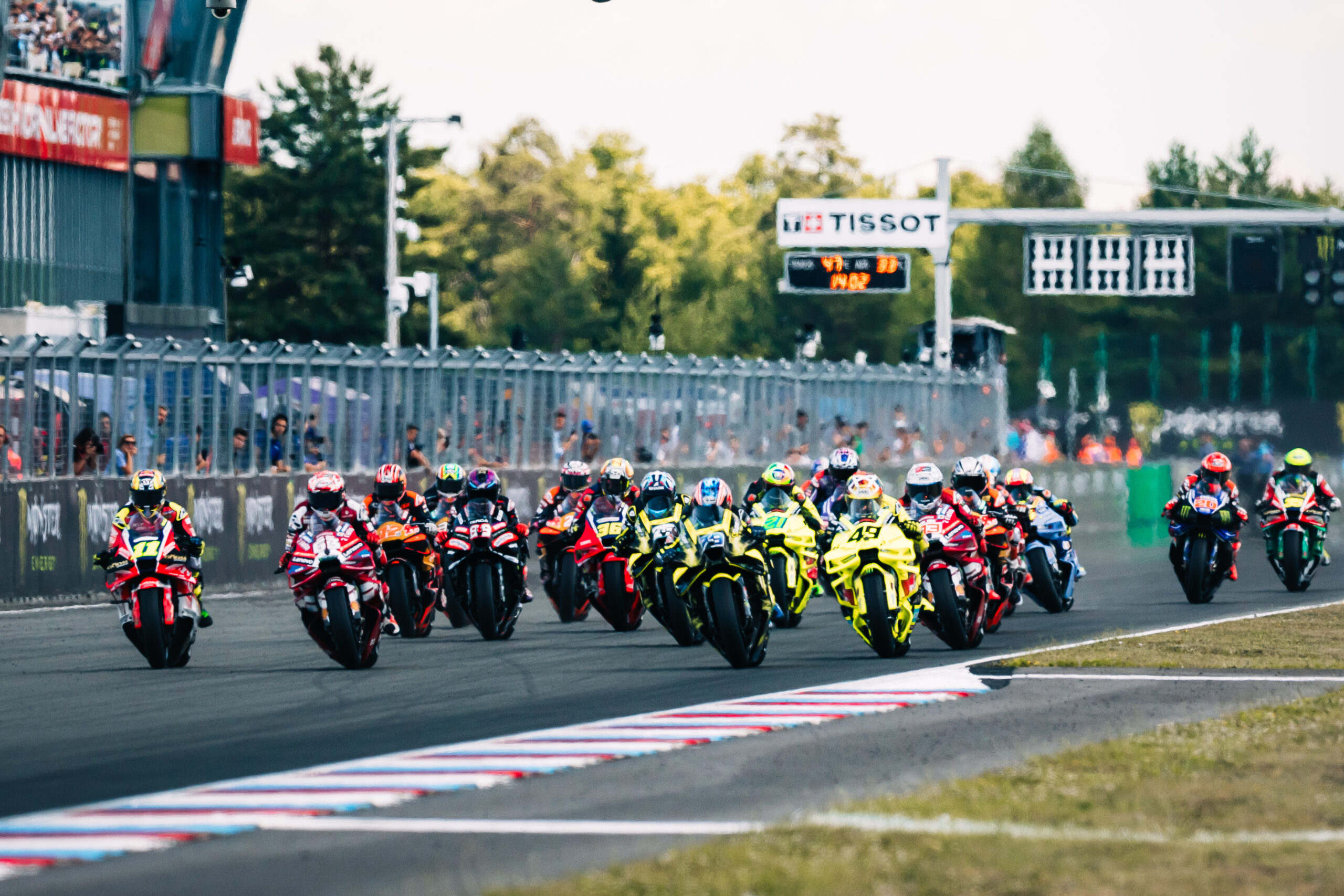
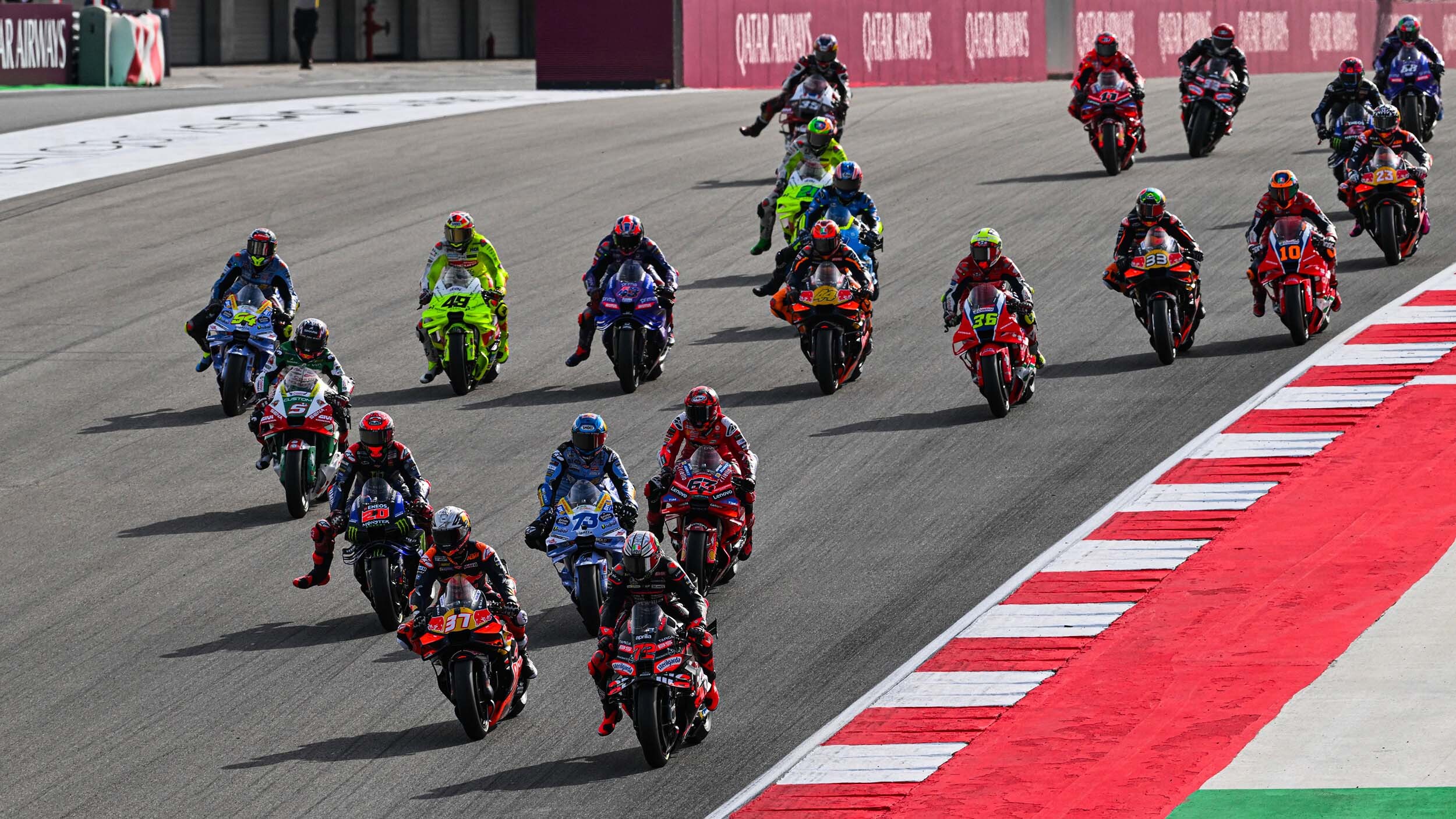
Beginning with the 2026 German Grand Prix, the starting grid layout will be modified across all Grand Prix classes, including MotoGP, Moto2 and Moto3.
Under the revised regulations, the distance between each three-rider row on the grid will increase from nine metres to 12 metres. The traditional three-rider-per-row format will remain unchanged.
Officials believe the additional spacing will provide riders with more room during race launches and reduce the likelihood of incidents in the opening corners, particularly at circuits with tight first-turn configurations.
The updated grid arrangement is expected to improve visibility and create safer conditions during the critical opening moments of races.
MotoGP Manufacturers Limited to Six Bikes from 2028
Looking further ahead, MotoGP has also approved a new cap on the number of motorcycles each manufacturer can field in the premier class.
Effective from the 2028 season, manufacturers will be restricted to a maximum of six motorcycles on the MotoGP grid.
The regulation will only come into force if at least five manufacturers are competing in the championship at that time.
The move is designed to maintain competitive balance and ensure a more even distribution of resources across the paddock. It could also encourage greater diversity among teams and manufacturers while preventing any single brand from gaining an overwhelming numerical advantage.
Currently, manufacturers often benefit from extensive satellite team partnerships that allow them to field multiple bikes and gather large amounts of performance data during race weekends.
MotoGP Continues Evolution Ahead of New Era
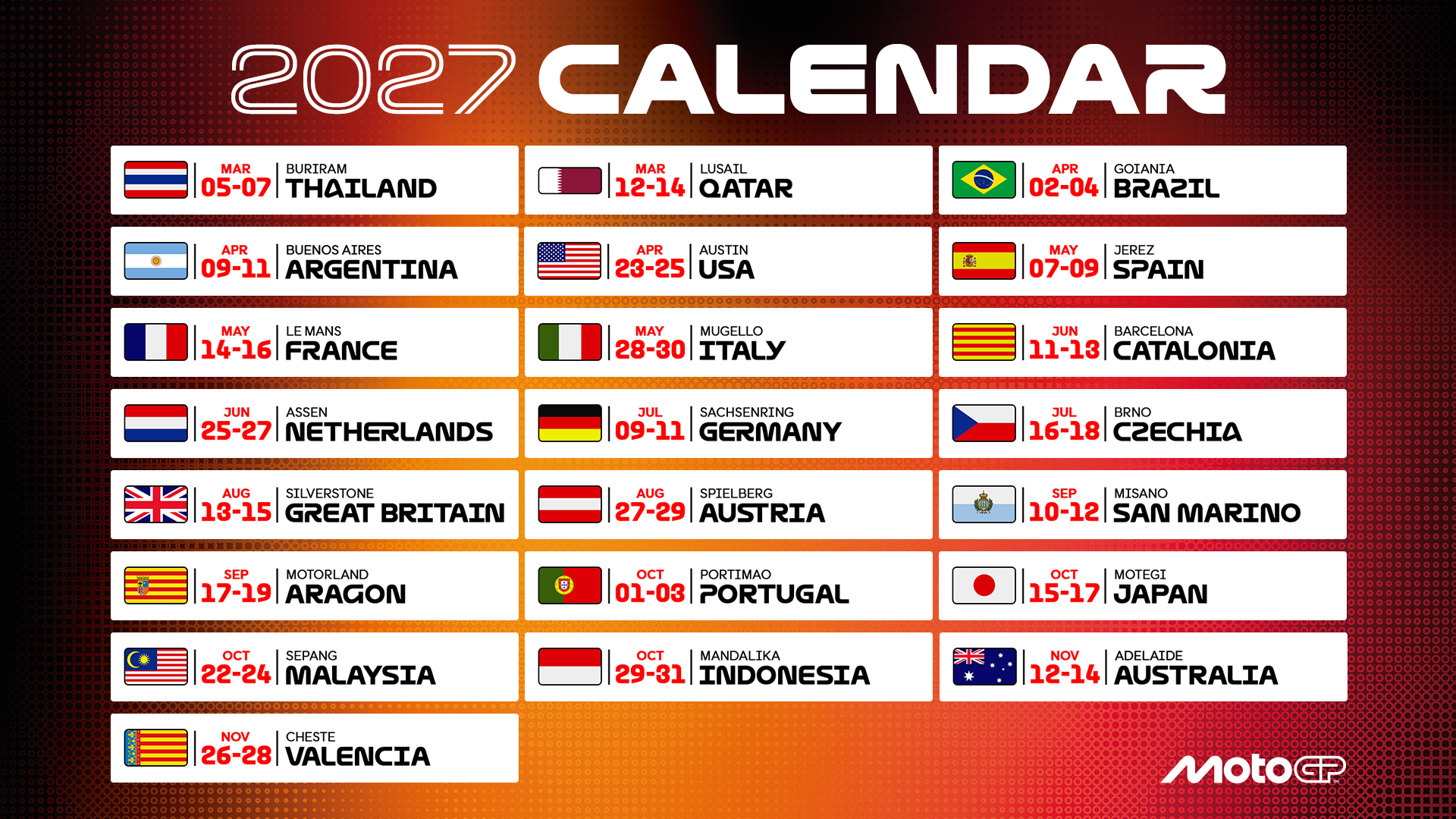
The latest decisions from the Grand Prix Commission follow a period of significant regulatory evolution in MotoGP, including the introduction of the new technical regulations scheduled for 2027.
With holeshot devices being removed, safer grid formations being implemented and manufacturer entries set to be capped, MotoGP is positioning itself for a new era focused on rider talent, cost control and closer racing.
The changes underline the championship’s commitment to maintaining competitive balance while ensuring safety remains a priority as the sport prepares for the next chapter of premier-class motorcycle racing.
Key MotoGP Rule Changes Announced
- Holeshot devices banned in MotoGP: Effective from the 2026 Dutch Grand Prix.
- New starting grid layout: Effective from the 2026 German Grand Prix.
- Row spacing increased: From 9 metres to 12 metres across all classes.
- Three riders per row retained: No change to the existing formation.
- Maximum six motorcycles per manufacturer: Effective from 2028, provided at least five manufacturers compete in MotoGP.
Share this content:






Post Comment