F1 Malaysian Grand Prix Returns to Sepang After Nine-Year Absence
Sepang, Malaysia, September 29, 2026: Sepang International Circuit is set to host a Formula 1 World Championship Grand Prix once again after a nine-year absence, with the Malaysian venue replacing the Bahrain Grand Prix on the 2026 calendar.
The return to Sepang marks the Formula 1 Malaysian Grand Prix’s first appearance at the circuit since 2017 and presents a significant challenge for teams and drivers. The current generation of Formula 1 cars and Pirelli tyres are substantially different from those used when the championship last raced in Malaysia.
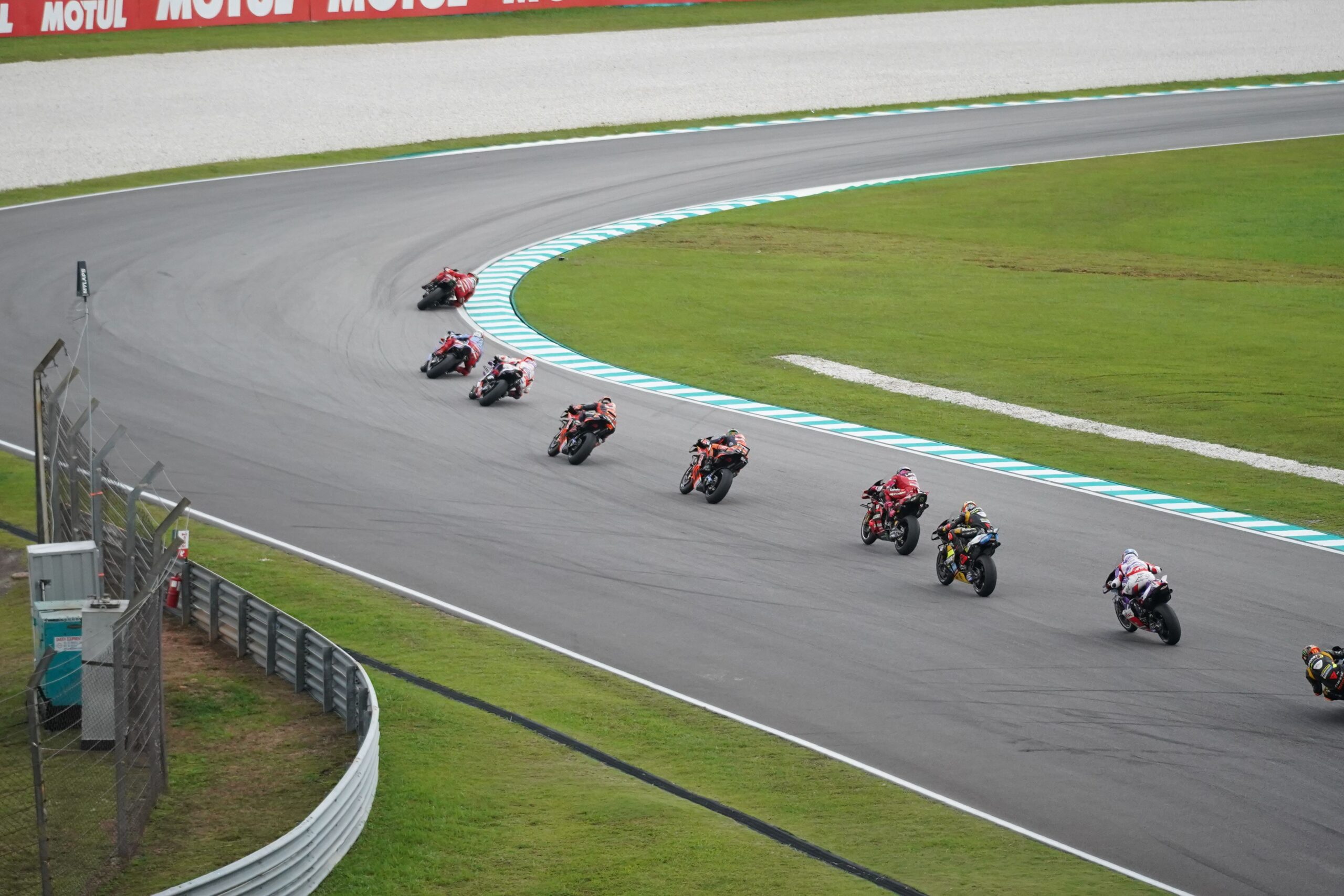
Located just a few kilometres from Kuala Lumpur, Sepang International Circuit is 5.543 km long and features a combination of long straights and high-speed corners, particularly through the middle sector. The circuit places medium energy demands on the tyres and is considered comparable in terms of severity to Spa-Francorchamps and Shanghai.
With high ambient and track temperatures expected to play an important role, thermal degradation is likely to be one of the key factors influencing race strategy and tyre management throughout the Malaysian Grand Prix weekend.
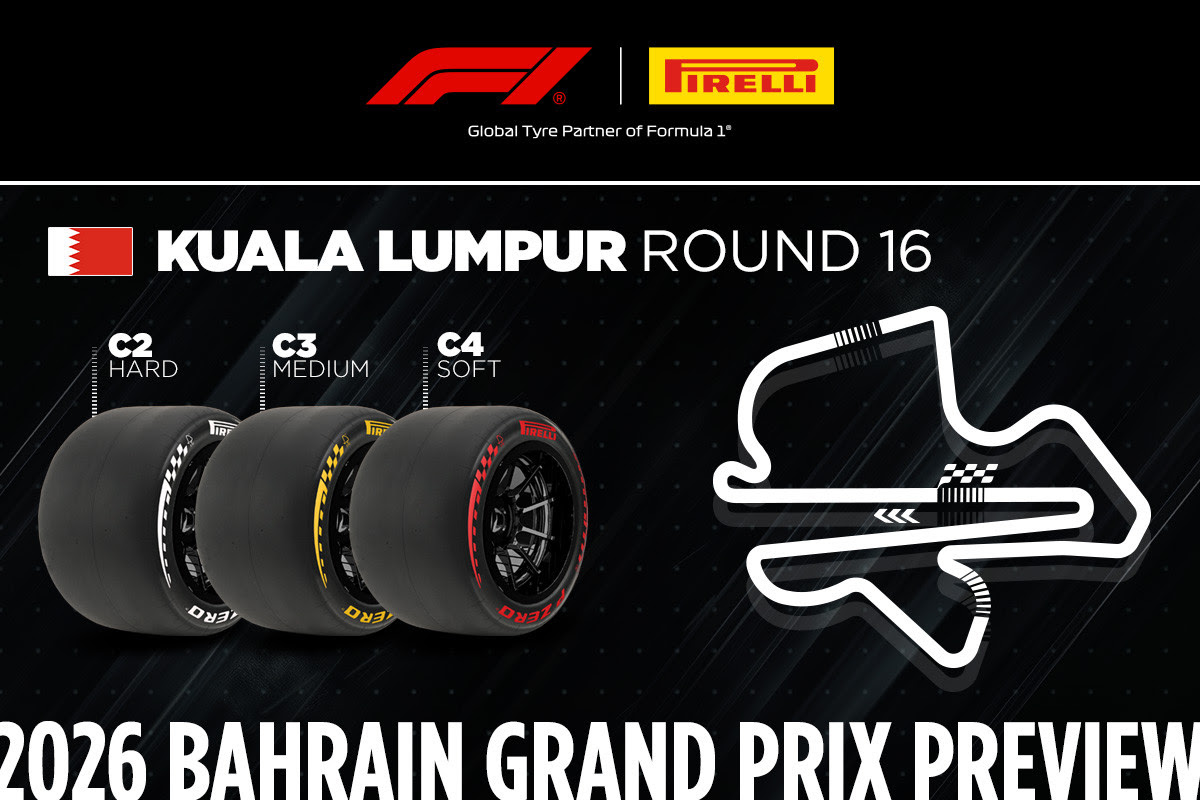
Pirelli Selects C2, C3 and C4 Tyres for Sepang
For Formula 1’s return to Sepang, Pirelli has selected its C2, C3 and C4 compounds, which will be designated Hard, Medium and Soft respectively.
The selection is slightly more aggressive than the harder combination that could have been chosen based on the characteristics of the circuit. Pirelli’s objective is to give teams a wider range of strategic options while reducing the performance gap between one-stop and two-stop strategies.
Sepang’s relatively abrasive surface is another important consideration. Its level of roughness is comparable with Bahrain, although the Malaysian circuit has its own distinctive characteristics.
Grip levels are expected to be relatively low on Friday before improving as the track evolves. Teams will need to closely monitor thermal management across both axles, particularly given the expected heat and humidity.
Sepang Track Surface Underwent Recent Work
The circuit has undergone a number of changes since Formula 1 last raced at Sepang.
In 2023, the section between Turns 6 and 12 was resurfaced, with additional work carried out around Turn 9. However, Pirelli engineers who assessed the circuit just a few weeks ago found that the overall characteristics of the surface remain very similar to those recorded in 2017.
Further work was undertaken from the beginning of September, with surface levelling carried out to remove irregularities in the asphalt. Cleaning operations were also conducted to improve track conditions ahead of the Formula 1 World Championship event.
Despite these changes, teams face a major data challenge. No current Formula 1 team has genuinely relevant real-world reference data for the latest generation of cars at Sepang.
Friday Practice Set to Be Crucial
The lack of representative data means the Friday practice sessions will take on added importance.
Drivers will need to reacquaint themselves with Sepang, with many having experienced the circuit primarily through simulator work. Teams, meanwhile, will have to establish the correct car balance while learning how the current generation of Formula 1 tyres behave around the demanding Malaysian circuit.
The track’s combination of long straights, high-speed corners and heavy thermal loads will require teams to find an effective compromise between aerodynamic performance, tyre management and straight-line speed.
Malaysian Weather Could Add Another Challenge
Weather conditions could provide another major variable during the return of the Malaysian Grand Prix.
Afternoon thunderstorms are common in the region during early October and could potentially affect any session during the race weekend. High temperatures, humidity and sudden heavy rainfall have historically been defining characteristics of Formula 1 races in Malaysia.
Such conditions could make tyre preparation and degradation even more difficult while potentially forcing teams to adapt their strategies at short notice.
Sepang Formula 1 Grand Prix Statistics
The 2026 event will be the 20th Formula 1 Grand Prix held at Sepang, which was part of the F1 calendar from 1999 to 2017.
Sebastian Vettel holds the record for the most Malaysian Grand Prix victories, with four wins. He is followed by Michael Schumacher and Fernando Alonso, who have three victories each.
Schumacher and Lewis Hamilton share the record for the most pole positions at Sepang, with both drivers having started from pole position five times.
Among constructors, Ferrari holds the record for the most victories at the Malaysian circuit, with seven wins.
Formula 1’s return to Sepang therefore combines a historic venue with an entirely new technical challenge. With limited current data, demanding tyre characteristics, high temperatures and the possibility of thunderstorms, the Malaysian Grand Prix is expected to provide teams with one of the more complex weekends of the 2026 Formula 1 season.
Share this content:






Post Comment