
India Auto Sector Records Strong Growth in Q2 FY2027, EV Adoption Gains Momentum: Deloitte
New India, India, November 4, 2026: India’s automotive industry recorded strong growth across passenger vehicles, commercial vehicles and two-wheelers in the second quarter of FY2027, driven by rising SUV demand, improving consumer sentiment and increasing adoption of electric vehicles (EVs), according to the sixth edition of Deloitte India’s Wheelwatch Tracker.
Passenger vehicle wholesale volumes grew 30.7% year-on-year (YoY) to 1.4 million units in Q2 FY2027, while commercial vehicle sales increased 28.8% to approximately 300,000 units. The two-wheeler segment also maintained its growth momentum, registering a 15.1% increase in wholesale domestic volumes to 6.4 million units.
The report highlights an evolving automotive market, with consumers increasingly opting for SUVs, premium motorcycles and alternative powertrain options, including electric and CNG vehicles.
Two-Wheeler Segment Sees Strong EV Adoption
India’s two-wheeler market continued to demonstrate healthy demand, with wholesale domestic volumes increasing 15.1% YoY to 6.4 million units during Q2 FY2027. Eight of the nine two-wheeler segments tracked by Deloitte recorded growth, while retail sales rose 26.9%, significantly outpacing wholesale growth.
Electric two-wheelers emerged as a key growth driver, with registrations surging 88.9% YoY. EV penetration crossed the 10% milestone for the first time, reaching 11.1% during the quarter, indicating growing consumer acceptance of electric mobility.
The report also highlighted the growing preference for premium and performance-oriented motorcycles. Entry-level and executive motorcycle categories lost 4.8 percentage points in market share as buyers increasingly shifted towards higher-priced offerings.
SUV Demand Drives Passenger Vehicle Growth
The passenger vehicle segment recorded one of its strongest growth performances, with wholesale volumes increasing 30.7% YoY to 1.4 million units.
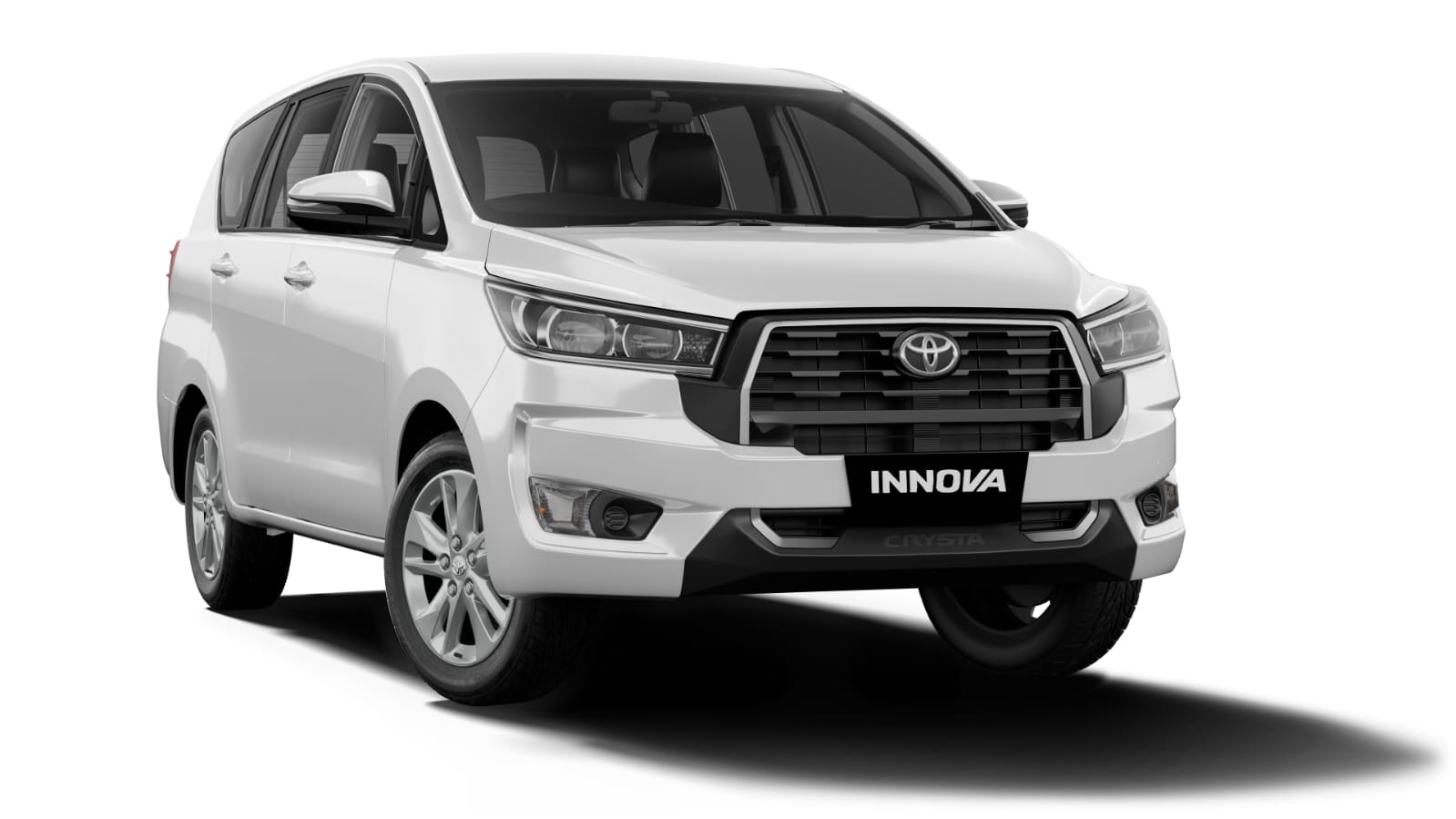
SUVs continued to drive demand, particularly compact and sub-compact models. Compact SUVs registered growth of 53.1%, while sub-compact SUVs grew 31% during the quarter.
The INR 12-20 lakh price category emerged as the fastest-growing price band, recording a 33.6% increase and gaining 1.2 percentage points in market share. Compact SUVs also increased their segment share by 3.3 percentage points, highlighting consumer preference for feature-rich vehicles that offer a combination of practicality and value.
Alternative fuel vehicles also gained ground in the passenger vehicle market. Electric passenger vehicle registrations nearly doubled year-on-year to approximately 97,000 units, taking EV penetration to 6.7%.
CNG registrations increased by around 50% to 233,000 units, while petrol vehicles saw their market share decline by 2.8 percentage points quarter-on-quarter to 42.6%.
Commercial Vehicle Market Registers 28.8% Growth
India’s commercial vehicle segment recorded a 28.8% YoY increase in domestic sales to approximately 300,000 units in Q2 FY2027. The recovery was supported by infrastructure development, healthy freight movement and fleet replacement demand.
Retail sales in the segment also increased 25.2% year-on-year, indicating improving market activity.
Goods carriers remained an important growth contributor, with light commercial vehicle (LCV) goods carriers registering 51.8% growth, while heavy commercial vehicle (HCV) goods carriers recorded a 41.8% increase. Infrastructure development, construction activity, e-commerce and logistics demand supported the performance.
Electrification also gathered pace in the commercial vehicle segment. Electric CV registrations more than tripled year-on-year to approximately 19,000 units, taking EV penetration to 4.4%, compared with 2.7% in Q1 FY2027. Passenger commercial vehicles led the growth in electric adoption.
Deloitte Sees Sustained Momentum in FY2027
Commenting on the industry’s performance, Rajat Mahajan, Partner and Automotive Sector Leader at Deloitte India, said FY2027 had maintained its strong start, with passenger and commercial vehicle growth accelerating in the second quarter while two-wheeler demand remained firm despite a higher base.
He also pointed out that a low pre-GST-cut base contributed to the growth recorded during the quarter. Strong vehicle financing supported customer purchases despite accelerating wholesale inflation.
The findings from Deloitte India’s sixth Wheelwatch Tracker edition point towards a broad-based recovery in India’s automotive industry, with SUVs, premium motorcycles and electric mobility emerging as important growth drivers. The increasing penetration of EVs across two-wheelers, passenger vehicles and commercial vehicles also indicates a gradual shift in the country’s automotive powertrain mix.
Share this content:









Post Comment