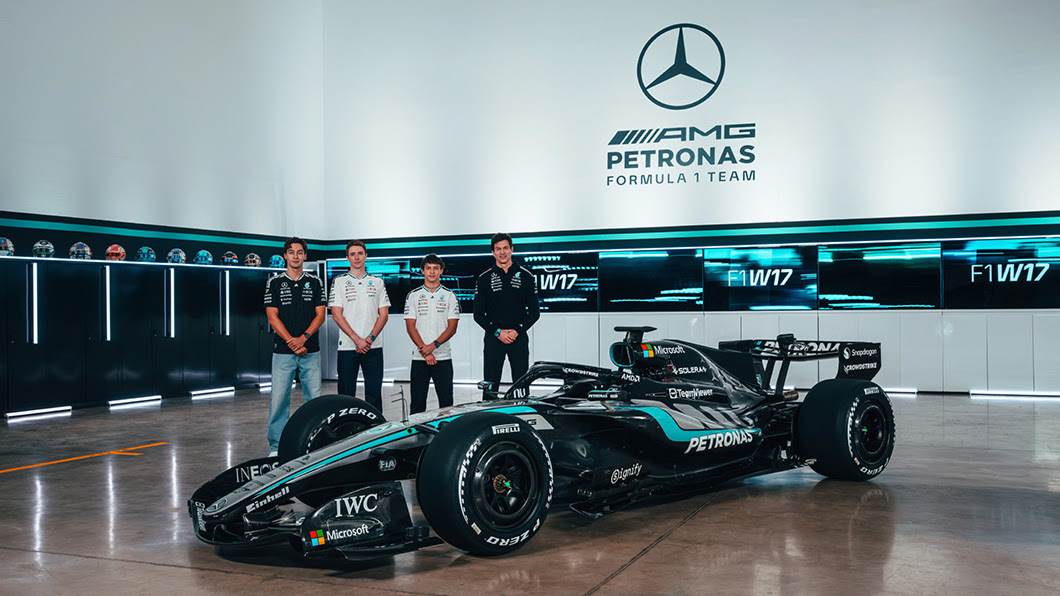
Mercedes-AMG PETRONAS F1 Team Launches W17 Challenger Ahead of 2026 Formula 1 Regulation Overhaul
Brackley: As Formula 1 prepares to enter a new technical era, the Mercedes-AMG PETRONAS Formula One Teamhas taken a major step toward the 2026 season with the digital launch of its new challenger, the Mercedes-AMG F1 W17 E PERFORMANCE, unveiled on February 2 during the team’s official season launch event.
Fans were given an in-depth look at the W17, a car designed specifically for Formula 1’s 2026 technical revolution, featuring a lighter, shorter and narrower chassis, active aerodynamics, and a next-generation hybrid Power Unit running on advanced sustainable fuel developed by PETRONAS.
The launch follows the first public glimpse of the W17 on January 22, when renders were released across team channels. The car made its on-track debut at Silverstone the same day before completing a further three days of testing in Barcelona, marking the beginning of its development journey.
Built for Formula 1’s 2026 Revolution
The W17 has been engineered around sweeping new regulations that redefine nearly every aspect of the car. It features a 200 mm shorter wheelbase, 100 mm reduced width, and an approximate 30 kg reduction in minimum weight. Active front and rear wings replace the Drag Reduction System, with new Boost and Overtake energy deployment modes designed to enhance racing.
At its core is an all-new Mercedes AMG High Performance Powertrains (HPP) hybrid Power Unit, delivering a near 50:50 split between internal combustion and electrical output. The unit eliminates the MGU-H, increases MGU-K output from 120 kW to 350 kW, and introduces new energy recovery and deployment strategies. The system runs on PETRONAS’ advanced sustainable fuel, developed as a drop-in solution to reduce lifecycle carbon impact in line with Formula 1’s sustainability targets.
The Power Unit has been tightly integrated with the W17’s cooling and aerodynamic architecture, reflecting close collaboration between Brackley and Brixworth to maximise efficiency, thermal robustness, and performance across all phases of a lap.
Leadership Reacts to a Defining Moment
Calling 2026 a pivotal season, Toto Wolff, CEO and Team Principal, said the new rules represent one of the most demanding challenges the team has faced.
“The upcoming season will be shaped by some of the most demanding technical regulation changes we have encountered. These rules test every part of our organisation, but they also create opportunities to innovate and set new benchmarks. We approach this next era with clear ambition and uncompromising focus,” Wolff said.
James Allison, Technical Director, described the regulation reset as a rare opportunity for innovation across power units, aerodynamics, chassis, and tyres, noting that such moments are central to Formula 1’s evolution.
Drivers and Development Line-Up Confirmed
George Russell and Kimi Antonelli continue as Mercedes’ race drivers for 2026 after a successful first year together. Russell claimed two victories en route to fourth in the Drivers’ Championship in 2025, while Antonelli impressed as a rookie with multiple podium finishes and his maiden Sprint pole position in Miami.
Fred Vesti steps up to the role of Third Driver, leading simulator work, attending race weekends, and combining duties with an active IMSA racing programme.
The team also confirmed an expanded Development Driver roster, welcoming F1 Academy Champion Doriane Pin, F2 race winner Joshua Dürksen, and former F1 driver Anthony Davidson, who continues to support simulator development and driver operations.
New Identity for a New Era
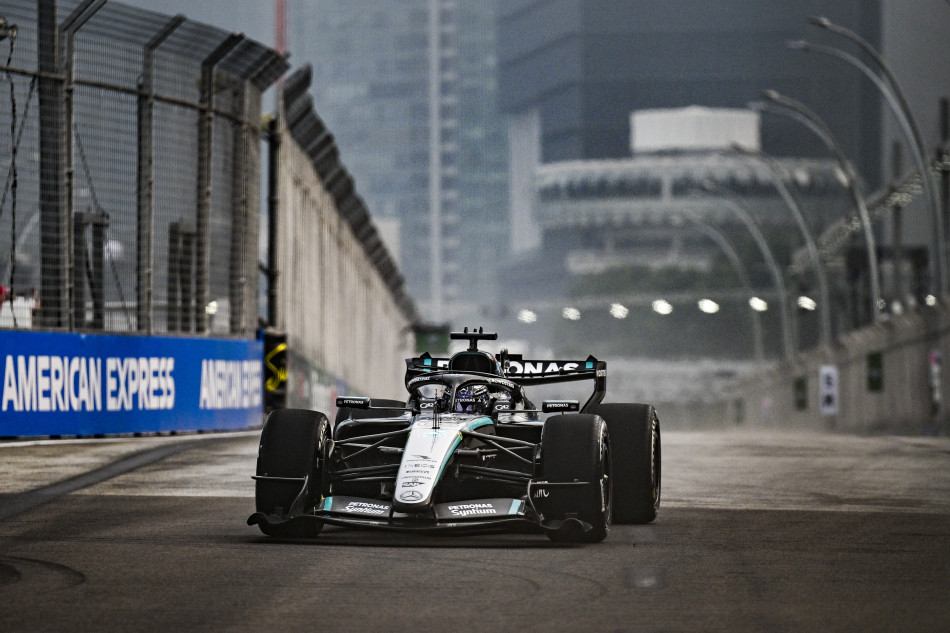
Reflecting the start of Formula 1’s next generation, the W17 debuts a striking new livery and refined team identity. A sweeping PETRONAS green flow line cuts across the car, transitioning from iconic Mercedes silver to deep black, while AMG-inspired rhombus patterns and the Mercedes three-pointed star reinforce the team’s visual heritage.
Share this content:





Post Comment