
“Scaling with Purpose”: Simple Energy Crosses 1,000 Sales as EV Adoption Accelerates in India
Bengaluru-based electric two-wheeler manufacturer Simple Energy has been growing from strength to strength.
The company aims to further make its mark in all parts of the country apart from the southern markets where it primarily dominates at the moment.
BHPMania caught up with Shreshth Mishra, Co-founder and CPO, and here are some excerpts from the interview:
Q: How has the year been for Simple Energy?
A: The year has been really strong for us. This is when we started scaling production and expanding our sales and service network. The second half, especially the last quarter, delivered our best numbers. We’ve expanded across the southwest and are now moving into northern India. Last month, we crossed 1,000 vehicles sold—the highest we’ve achieved so far.
Q: What has driven this growth?
A: A big factor has been the support we’ve received—not just from customers, but also from our dealer partners. Having the right dealers is critical because they understand local sentiment and build long-term customer relationships. This isn’t a short-term product; customers use it for years, and after-sales service is crucial.
Q: How many dealers do you currently have across India?
A: The last count was around 60 dealers, spread across more than 55 cities. This number keeps changing as new dealerships come up. We plan to add more stores in the coming months.
Q: Do you have a dealership expansion target?
A: Yes, we’re aiming for around 120–150 stores by the end of this financial year. That said, it’s not just about numbers—it’s about finding the right partners. Our growth so far has been driven by the right people across customers, dealers, investors, vendors, and the internal team.
Q: Which regions are currently driving the most sales?
A: The southern region continues to contribute the bulk of our sales, particularly Karnataka and parts of southern Maharashtra. This is largely because our dealership presence has been strongest there. As we expand into other regions like Pune and northern markets, we expect this mix to evolve.
Q: How does demand differ between metros and tier-2 cities?
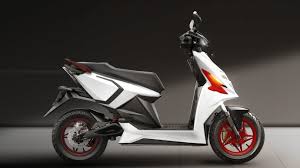
A: The response has been encouraging across both. In major cities, our flagship Simple One has been the biggest contributor. In tier-2 cities like Vijayawada and Visakhapatnam, we’ve also seen strong demand. Customers value range and reliability, and that’s where Simple One addresses a key concern—range anxiety—with a certified range of 248 km.
Q: How did the festive season perform for you?
A: The festive season was very good. We crossed the 1,000-unit sales mark, which was our highest ever. With expanding sales and manufacturing capacity, we expect these numbers to keep rising.
Q: Any plans or launches lined up for the new year?
A: We’re working on an exciting product pipeline, though it’s a bit early to share details. The focus is on expanding our product portfolio to address customer pain points and grow our customer base further.
Q: What do you see as the biggest hurdles for EV adoption in India?
A: Two main factors stand out. First, the upfront cost, though this has reduced significantly in recent years. Second, range anxiety—people still worry about what happens after 100–150 km. As charging infrastructure improves and awareness grows, this hesitation will reduce.
Q: Are government subsidies sufficient to promote EV adoption?
A: The government has done a lot through subsidies to bring costs down, and that has helped. However, no industry can be built on subsidies alone. Businesses must eventually become profitable and sustainable on their own. Our focus is on scaling responsibly, not just growing on external capital.
Q: How important is sustainability in the EV ecosystem?
A: Sustainability is critical. Regulations around batteries, recycling, and end-of-life management are evolving, and they play an important role. Beyond regulations, companies themselves must act responsibly. Self-discipline and long-term thinking are just as important as compliance.
Q: Should India transition gradually from ICE to hybrids and then EVs?
A: There’s no one-size-fits-all answer. For city commuting, EVs make complete sense. For long-distance travel, hybrids can be a practical solution today. It really depends on the use case, cost considerations, and customer needs.
Q: What about concerns that EVs still rely on thermal power generation?
A: It’s a valid discussion. However, most two-wheeler EV charging happens at home. With government schemes promoting rooftop solar and renewable energy, this reliance on thermal power will reduce over time. The broader energy ecosystem is evolving alongside EV adoption.
Q: Any closing thoughts?
A: As EVs, renewable energy, and supporting infrastructure grow together, adoption will only accelerate. It’s an ecosystem-led transition, and we’re optimistic about the direction India is heading in.
Share this content:







Post Comment